
Produced by

Caption
Slide 51 of 165
Cities Made of Water
December 6, 2016
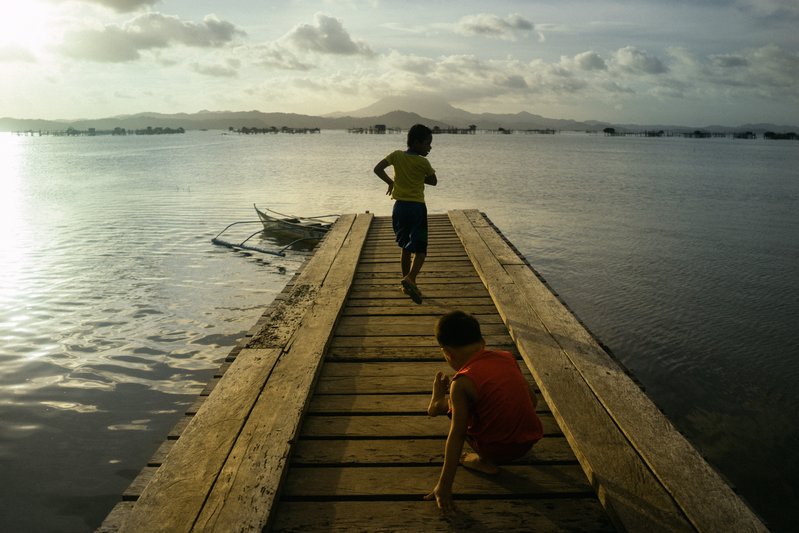
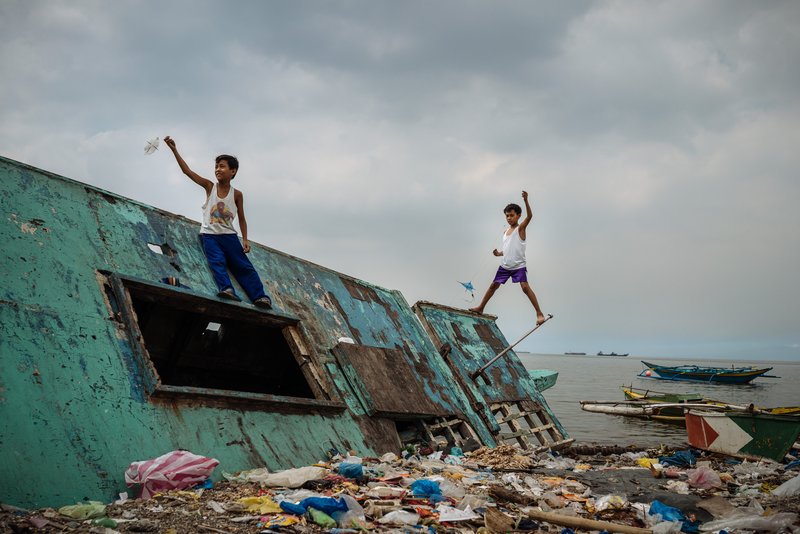
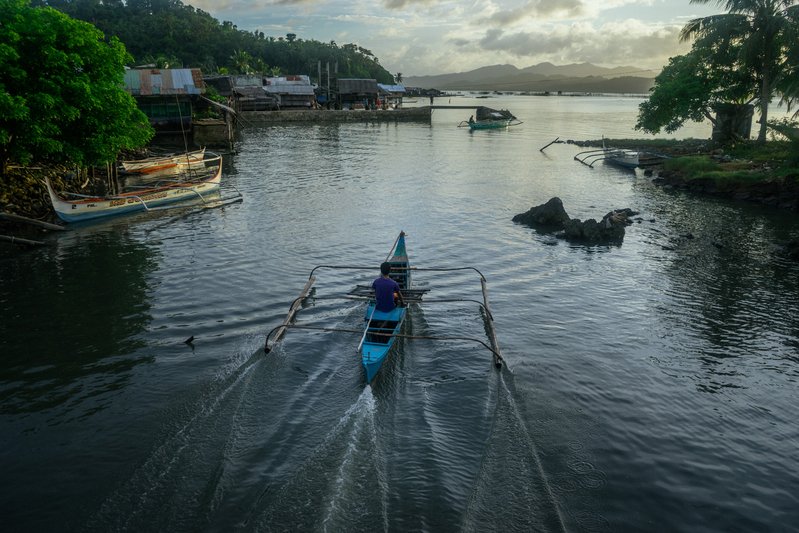
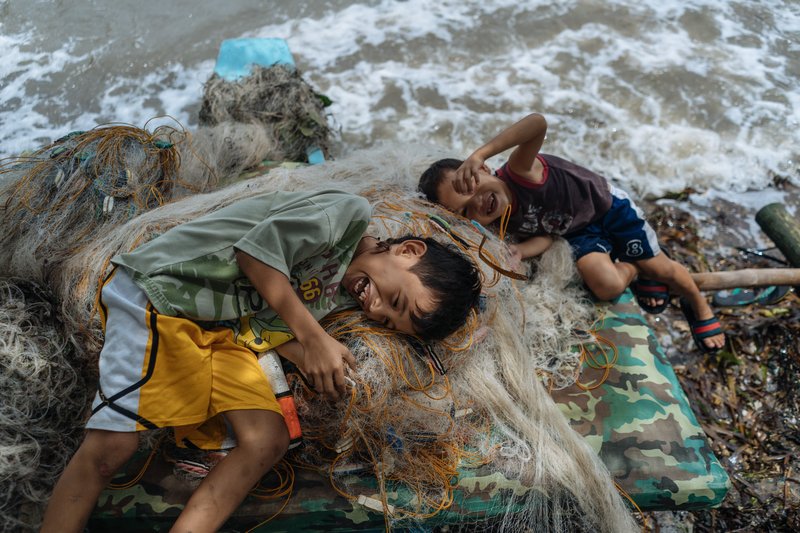
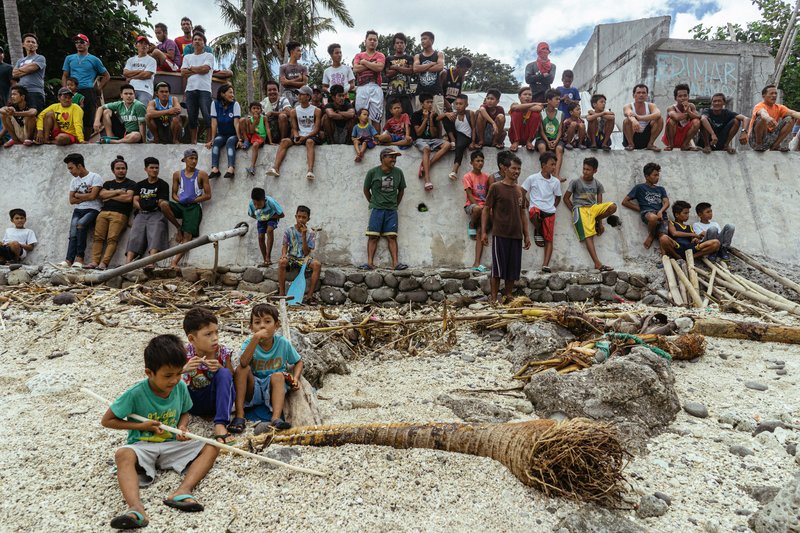
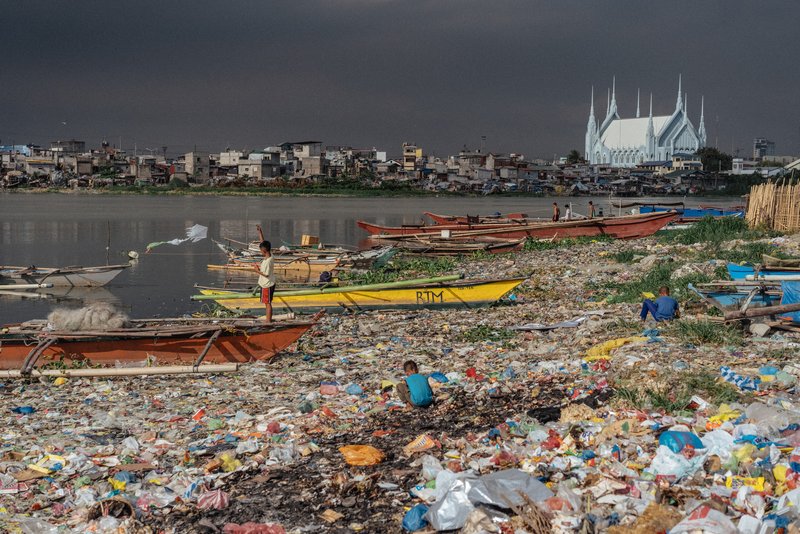
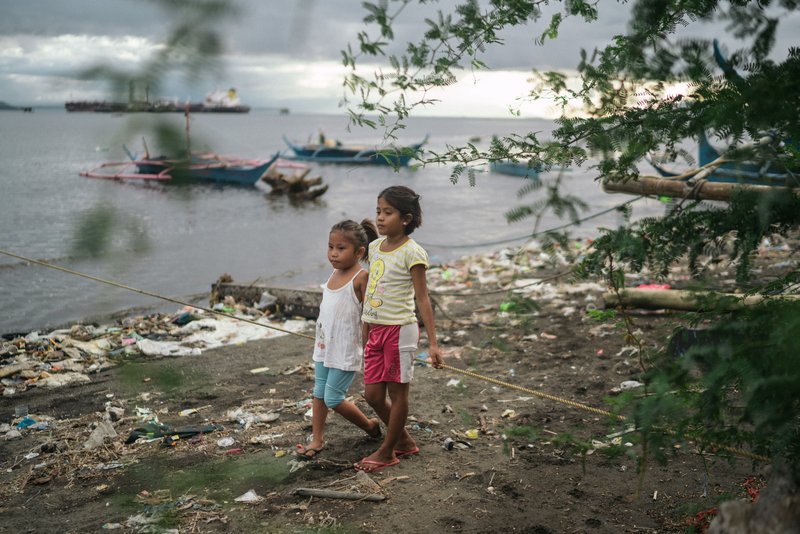
Children play in a jetty in Malampaya Sound, a marine protected area in Palawan, Philippines, home to a variety of wildlife including dugongs and Irrawaddy dolphins.The Philippines is the beating heart of the Coral Triangle, with more species of marine life than anywhere else on Earth, including the most species of coral. While coral reefs do not store carbon as is commonly misbelieved (they actually release carbon), they help protect coastal communities from climate-related disasters such as tsunamis and typhoons. They are the vital foundation of coastal communities and marine ecosystems, both: coral reefs don't just sustain coastal fisherfolk communities, they are also crucial spawning grounds for the world's fish populations. The undeniable irony is that the nearly two million Filipinos who depend on these abundant waters for their daily sustenance are struggling to survive. Small-scale coastal fisherfolk bring in nearly half of all fish caught in the Philippines, but remain among the poorest and most marginalized sectors of society. With the Philippines the third most vulnerable country to climate change, these fisherfolk, who are the least responsible for causing the worsening climate crisis, are also the most vulnerable to its disastrous consequences such as rising sea levels, storm surges, and coastline erosion.
Hannah Reyes Morales

See more at MediaStorm