
Produced by

Caption
Slide 24 of 165
Cities Made of Water
December 5, 2017
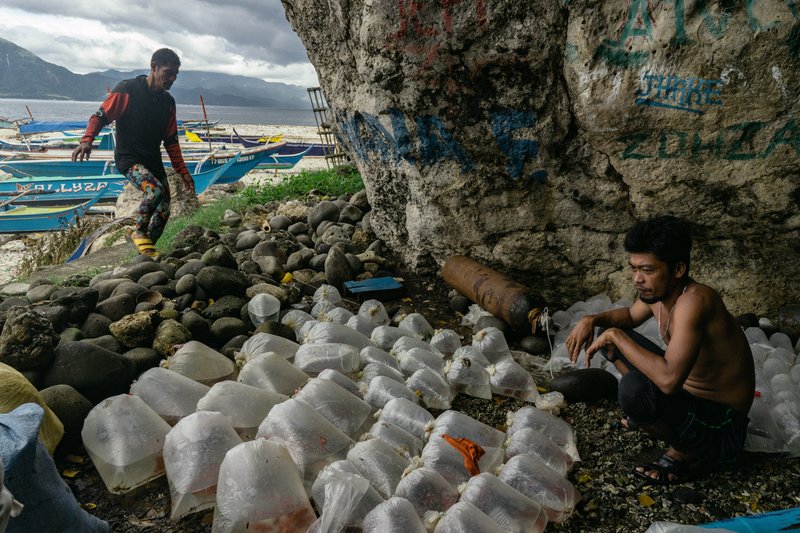
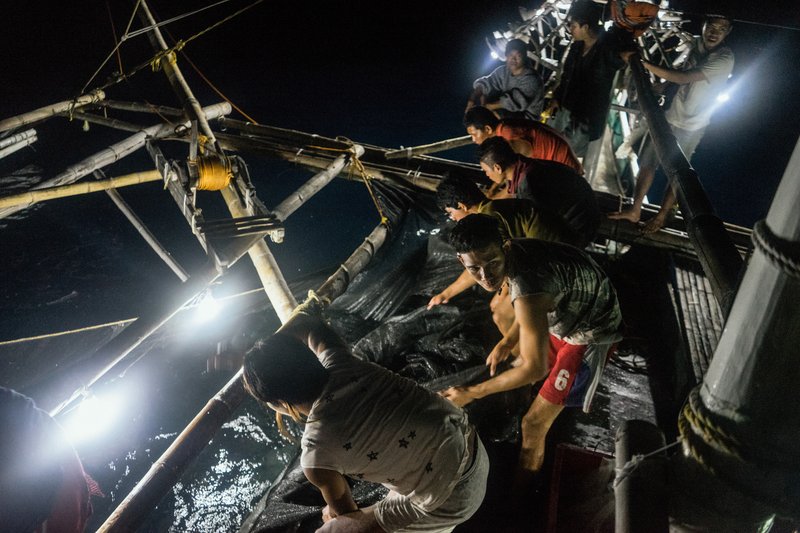
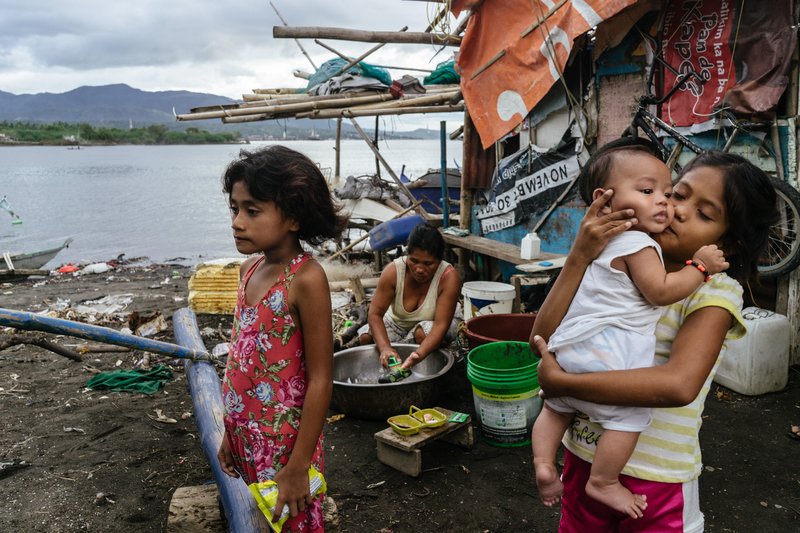
Fishermen in San Andres, Isla Verde, fill bags of exotic aquarium fish with oxygen from tanks, preparing them for the boat trip to Batangas City, where aquarium fish traders wait to make their pre-arranged purchases. It takes several fishermen a week to fill 3 boats with fish, which sell for a total of around 60-100USD. The San Andres fisherfolk no longer use illegal fishing practices such as cyanide or dynamite, but are hoping to transition to the more sustainable livelihood of ecotourism, thanks to the personal advocacy of a young woman named Gela Petines, as fish populations continue to drastically diminish thanks to overfishing, pollution, and ocean warming. Isla Verde sits in the middle of the Verde Island Passage, a body of water that is the epicentre of Philippine marine biodiversity: the Philippines has more species of marine life than anywhere else on Earth, including the most species of coral, upon which the livelihoods of the country's coastal communities depend. While coral reefs do not store carbon as is commonly misbelieved (they actually release carbon), beyond their massive importance in sustaining coastal communities, they help protect them climate-related disasters such as tsunamis and typhoons, and are also the foundation of marine ecology as vital spawning grounds for the world's fish populations.
Hannah Reyes Morales
See more at MediaStorm